
In this story
After a relatively calm stretch, the cost of moving a container across the ocean has started to jump around again. For importers and the shops they supply, that unpredictability is almost as painful as high prices themselves.
What’s driving the swings
Several forces are at work at once. New, larger ships are entering service, adding capacity. At the same time, some routes have become longer as carriers avoid congested or risky waters, which soaks that capacity back up. Seasonal demand ahead of the holidays adds another layer.
Who feels it first
Big retailers usually lock in long-term contracts, so they’re shielded for a while. Smaller importers who book space as they need it feel every move in the spot market. Some are now splitting orders across several carriers or shipping earlier than usual to reduce the risk.
Will shoppers notice?
Shipping is a small part of the final price for most goods, so a spike doesn’t automatically mean higher prices on the shelf. But for bulky, low-value items like furniture, the effect can be noticeable. Economists say the bigger risk is delays, not cost: empty shelves tend to annoy customers more than a few pence on the price.
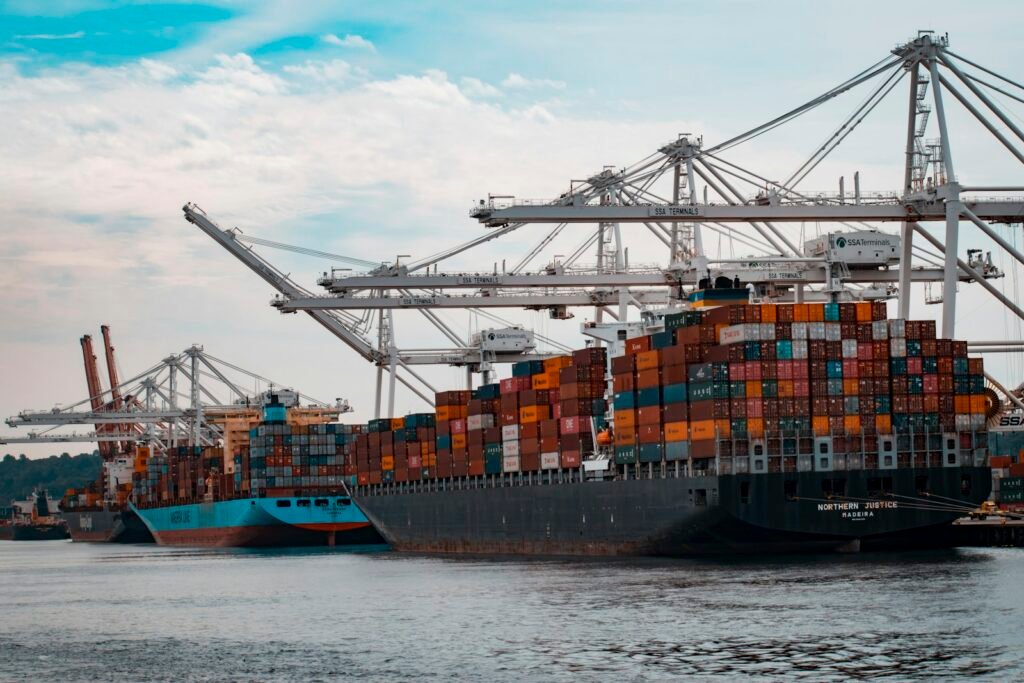
Ports, meanwhile, are investing in automation and longer opening hours to handle bursts of arrivals, hoping to avoid the backlogs of a few years ago.












Good breakdown of why shelf prices do not always follow.
We import furniture and the swings are brutal for planning.