
In this story
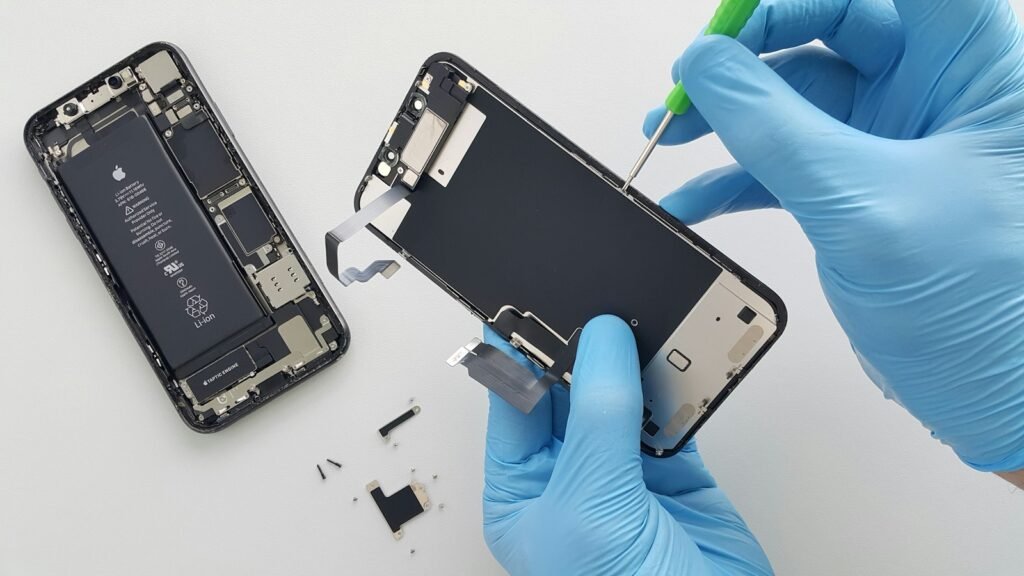
For most of the last decade, smartphones got thinner, sleeker and harder to open. Batteries were glued in, screens were fused to frames and replacing a single part often meant replacing the whole phone.
That trend is starting to reverse. New rules in several markets require manufacturers to make spare parts and repair manuals available for years after a model launches, and some brands are now treating repairability as a feature worth advertising.
What’s changing inside the phone
Expect to see more phones held together with standard screws rather than adhesive, batteries that can be removed with a pull tab, and modular parts such as charging ports and cameras that can be swapped independently.
What it means for owners
- Cheaper fixes: independent repair shops can get genuine parts more easily.
- Longer life: a new battery after three years can make an old phone feel new again.
- Better resale value: phones that can be refurbished keep their value longer.
The trade-offs
Engineers say making phones easier to open can make them slightly thicker or less water-resistant, although clever design is narrowing that gap. And repairability only helps if software updates keep coming, so look for brands that promise long support periods.
Next time you shop for a phone, it might be worth asking not just how fast it is, but how easy it will be to fix.












Local repair shop replaced my screen in an hour. More of this.
Long software support matters as much as the hardware.
Swappable batteries please! My phone is fine apart from the battery.