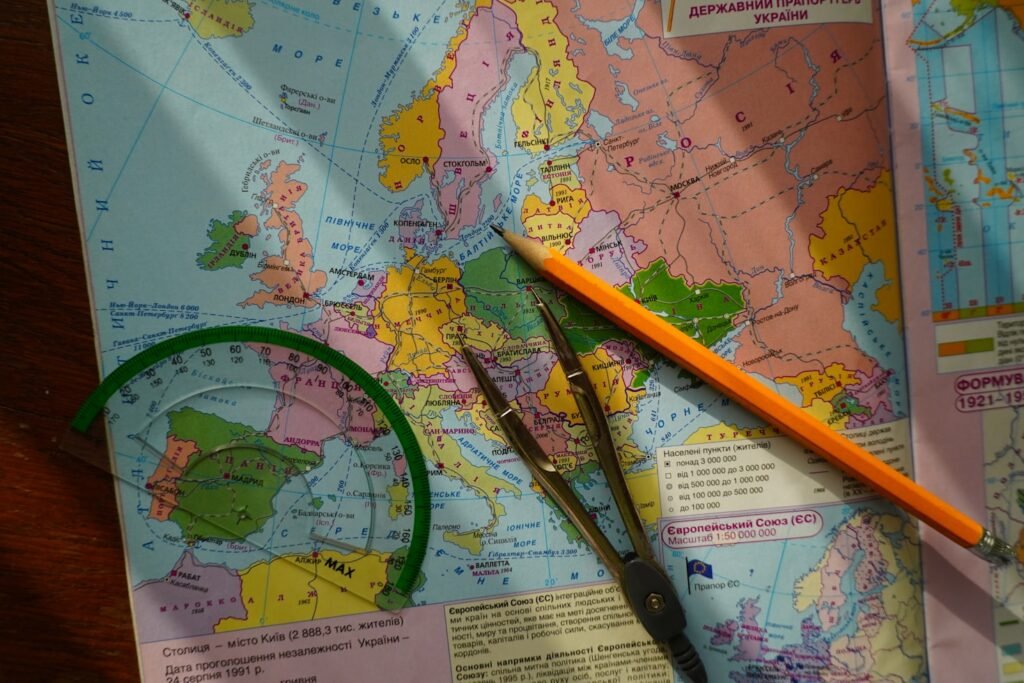


International tensions are entering another uncertain phase as military confrontations, diplomatic disagreements, and economic pressures increasingly overlap. Recent developments involving strategic waterways and military activity have raised concerns about the wider consequences of regional conflicts. Markets have responded quickly to the uncertainty, demonstrating how events in one part of the world can influence energy prices, financial conditions, transportation, and consumer confidence elsewhere.
A major concern is the security of international trade routes. Important maritime corridors connect energy producers with consumers across continents, and disruptions can affect shipping costs and the availability of essential commodities. Even when physical supplies remain available, uncertainty surrounding transportation can lead companies to increase inventories or seek alternative routes, potentially raising costs throughout global supply chains.
Diplomatic efforts are becoming increasingly important as governments attempt to prevent regional conflicts from spreading. International meetings and economic forums can provide opportunities for countries to discuss security, trade, financial stability, and humanitarian concerns. However, disagreements over sanctions, military policies, and economic interests can make cooperation difficult. Maintaining communication remains particularly important during periods when misunderstandings can escalate rapidly.
Key issues being closely watched include:
- Security of major international shipping routes
- Energy supply and transportation risks
- Diplomatic efforts to reduce military escalation
- Effects on global trade and inflation
- Humanitarian consequences of prolonged conflict
- Cooperation through international institutions
The current environment demonstrates how closely connected modern economies and security systems have become. A regional confrontation can quickly become a global economic concern when it affects energy supplies, shipping, financial markets, or food prices. Governments therefore face the difficult task of responding to immediate security challenges while preventing broader economic disruption. The coming weeks are likely to test diplomatic channels and international cooperation, particularly as countries seek ways to protect trade and stability without allowing existing tensions to develop into wider confrontation.

Leave a Reply