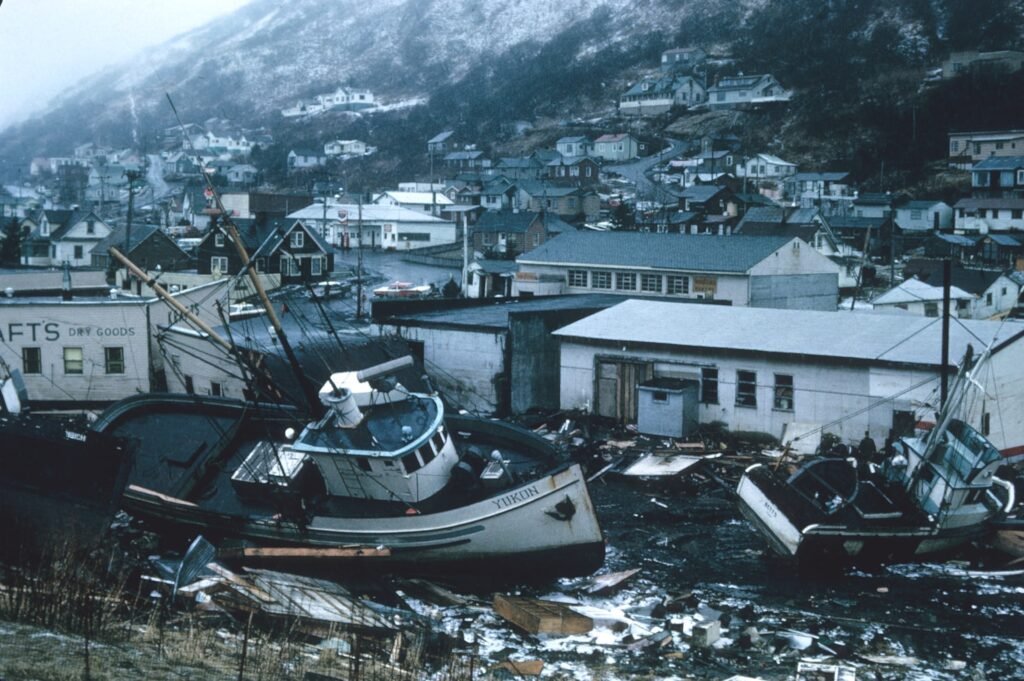


Extreme weather events are placing renewed pressure on governments, emergency agencies, and communities to improve disaster preparedness. Recent flooding and landslides in mountainous regions have demonstrated how quickly a natural hazard can become a humanitarian emergency when roads, communications networks, bridges, and power systems are damaged simultaneously. Rescue teams can face difficult terrain while families struggle to obtain reliable information about missing relatives and evacuation routes.
The latest disasters are also renewing attention on the importance of early-warning systems. Meteorological monitoring has become increasingly sophisticated, but warnings are only effective when they reach people quickly and are communicated in language and formats that communities understand. Authorities are therefore being encouraged to combine forecasting technology with local preparedness plans, public education, evacuation exercises, and clearly identified emergency shelters.
Infrastructure is another major concern. Roads, tunnels, bridges, drainage systems, telecommunications equipment, and electricity networks can all become critical points of failure during severe weather. Experts increasingly argue that resilience should be considered when infrastructure is designed rather than treated as an additional feature after construction. This could include stronger drainage capacity, alternative communication systems, protected power equipment, and emergency access routes.
Several priorities are emerging from recent events:
- Faster and more reliable public warning systems
- Better mapping of areas exposed to floods and landslides
- Stronger emergency communication networks
- Regular evacuation and community preparedness exercises
- Greater investment in resilient roads, bridges, and utilities
- Improved coordination between local and national emergency agencies
The broader challenge is that disaster preparedness requires long-term investment even when there is no immediate crisis. Recent flooding has shown the human and economic consequences of delaying that work. As weather patterns become more difficult to predict and extreme events place greater stress on infrastructure, preparedness is increasingly being viewed as an essential public service rather than an occasional emergency measure. The focus is shifting from simply responding to disasters toward reducing their impact before they happen.

Leave a Reply