


Competitive sports are increasingly placing greater emphasis on what happens between training sessions and competitions. Physical preparation remains essential, but athletes and coaches are paying closer attention to recovery, sleep, nutrition, mental preparation, and workload management. The broader objective is to maintain performance over time rather than simply achieve short-term improvements.
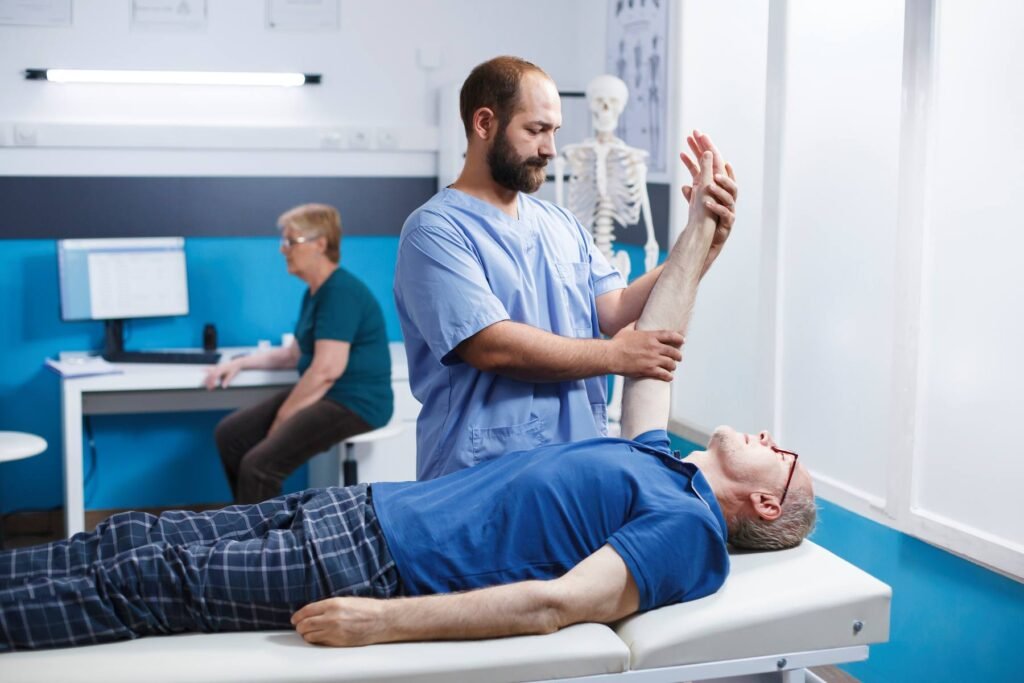
Recovery has become particularly important as training programs become more sophisticated. Athletes may monitor workload, rest periods, movement patterns, and other indicators to understand how their bodies respond to demanding schedules. These approaches can help identify when additional recovery may be necessary. However, technology does not eliminate the need for professional judgment, and individual athletes can respond differently to similar training conditions.
Mental preparation is another growing part of performance planning. Competitive environments can create pressure that affects concentration, confidence, and decision-making. Techniques involving routines, visualization, breathing exercises, goal setting, and structured preparation can help athletes approach competition more consistently. The growing recognition of mental performance also reflects a broader understanding that physical ability is only one part of competitive success.
Key areas of modern performance planning include:
- Structured training schedules
- Adequate recovery periods
- Sleep and nutrition
- Injury prevention
- Mental preparation
- Performance analysis
- Long-term workload management
Consistency may ultimately prove more valuable than constantly pursuing maximum intensity. Athletes who can train effectively while maintaining physical and mental health may have a stronger foundation for long-term development. Coaches are consequently looking beyond isolated results and considering broader performance patterns. This approach can benefit athletes at different levels, from recreational participants to elite competitors. As sports science continues developing, the definition of preparation is likely to become increasingly comprehensive, combining physical training with recovery, psychology, nutrition, technology, and careful workload management.



Leave a Reply