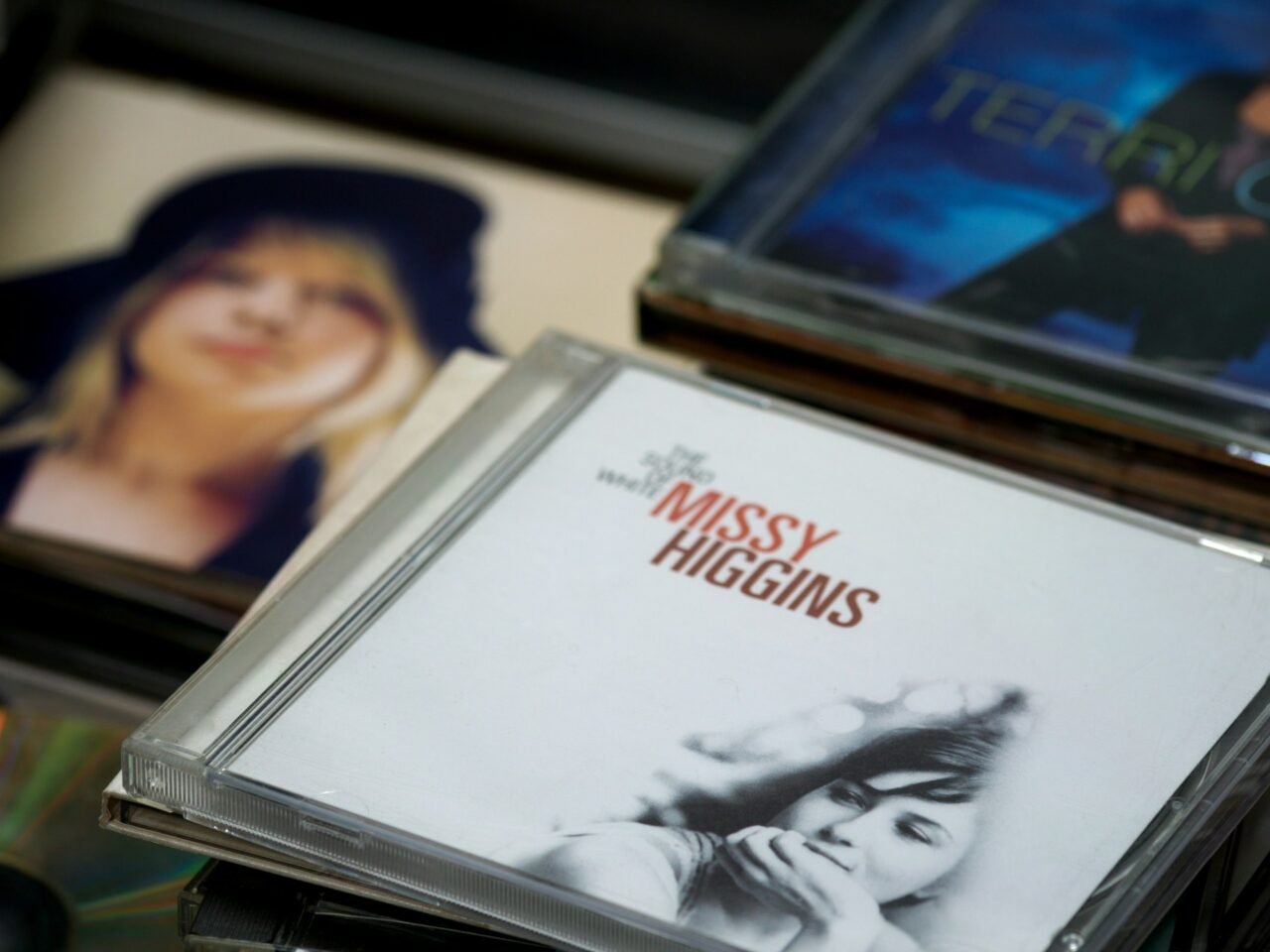
A powerful movie scene is not created by visuals alone. Music can completely transform how an audience experiences a moment. The same sequence can feel romantic, frightening, hopeful, tragic, or humorous depending on the soundtrack accompanying it. Filmmakers understand this relationship between image and sound, using music to guide emotional reactions without explicitly telling viewers what to feel.
One of the most effective uses of film music is emotional preparation. A soundtrack can begin building tension before anything visibly dangerous happens. A slow melody can create anticipation, while silence can make an audience uncomfortable because it removes the expected emotional guidance. When music enters at exactly the right moment, even a simple visual action can suddenly feel significant.
Themes are another important technique. Composers can associate specific melodies with characters, locations, relationships, or ideas. When the theme returns later in the movie, audiences may recognize it subconsciously and immediately reconnect with earlier emotions. This creates continuity and allows music to become part of the storytelling rather than simply background decoration.
Songs can have an equally powerful effect. A carefully selected existing song can define the identity of an entire scene. It may establish a period, reveal a character’s personality, or create ironic contrast with what is happening visually. Sometimes audiences remember the song almost as strongly as the scene itself, which demonstrates how closely music and cinematic memory can become connected.
A memorable movie soundtrack often does several things:
- Establishes the emotional atmosphere.
- Creates recurring musical themes.
- Builds suspense before visual events occur.
- Connects scenes through recurring sounds.
- Reveals character personality.
- Reinforces important emotional moments.
- Makes particular scenes easier to remember.
The best movie music often works without demanding attention. Viewers may not consciously notice every musical choice, but they feel its influence. That is what makes film scoring such an important part of cinema. A great soundtrack can turn an ordinary scene into an emotional landmark, make a character instantly recognizable, and cause audiences to remember a film years after watching it. Sometimes the first few notes of a familiar theme are enough to transport someone directly back into the world of the movie.
Leave a Reply