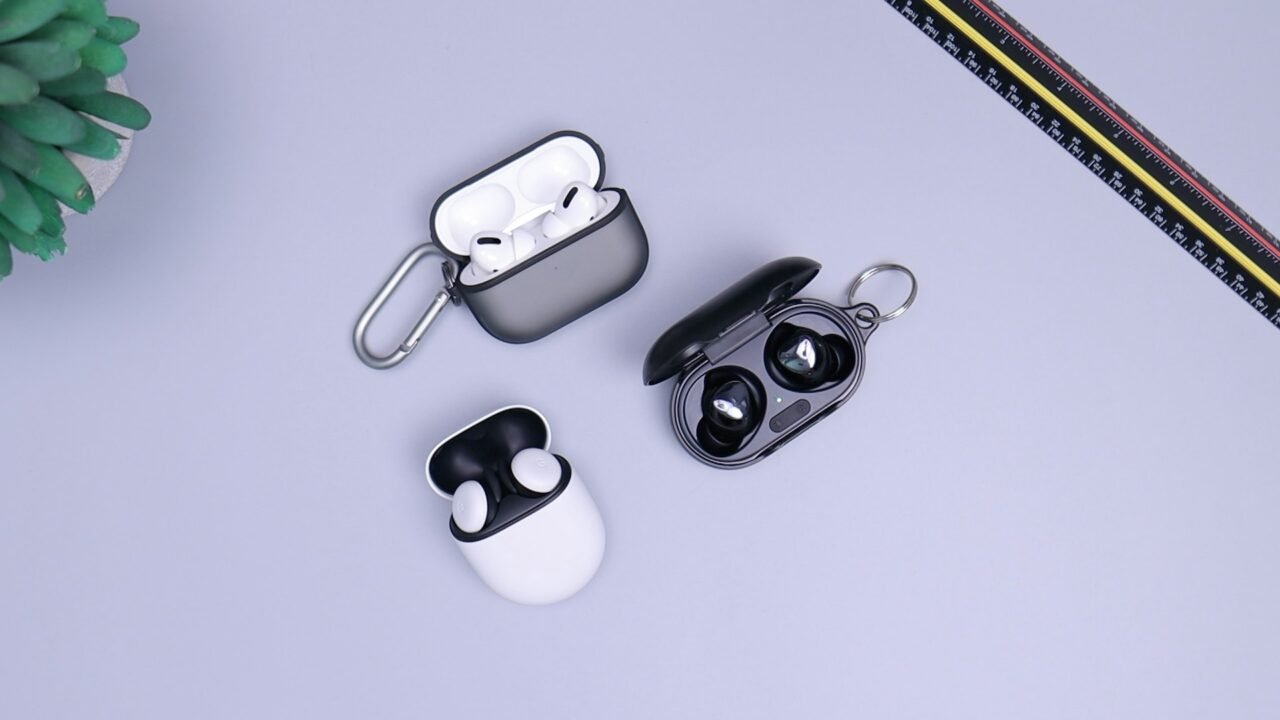
Wireless earbuds have become everyday accessories for commuting, exercise, work, travel, and entertainment. With hundreds of models available, choosing the right pair can be confusing. Manufacturers often emphasize noise cancellation, battery numbers, driver sizes, and advanced software, but buyers should begin with the fundamentals. Sound quality, comfort, connection stability, and battery reliability usually matter more than a long list of extra features.
Comfort should be one of the first considerations. Earbuds can sound excellent but become unusable if they cause discomfort after thirty minutes. Because ears differ significantly between people, a design that fits one user perfectly may be unsuitable for another. Different ear-tip sizes can make a major difference, and some designs are naturally better suited to exercise or long listening sessions.
Sound quality is obviously important, but personal preference matters. Some listeners prefer strong bass, while others want a balanced presentation that makes vocals and instruments easier to distinguish. Noise cancellation can improve listening in airplanes, public transportation, and busy offices, while transparency modes are useful when users need to hear their surroundings.
Battery life should be evaluated realistically. Look at both earbud endurance and the additional charge provided by the case. Fast charging can be valuable when you forget to charge overnight. Connection reliability is also essential. Frequent Bluetooth interruptions can quickly turn an otherwise excellent product into a frustrating one.
When comparing wireless earbuds, consider:
- Comfort during extended listening.
- Sound signature and overall audio quality.
- Noise cancellation performance.
- Transparency or ambient listening modes.
- Microphone quality for calls.
- Battery life and charging speed.
- Bluetooth connection stability.
- Water and sweat resistance.
- Companion-app features.
- Compatibility with your devices.
The best earbuds are the ones that fit naturally into your routine. A commuter may prioritize noise cancellation, while an athlete may care more about secure fit and sweat resistance. Someone who frequently takes calls should prioritize microphone performance. Rather than choosing the model with the most impressive specification list, identify the features that solve your actual needs. That approach makes shopping easier and often leads to better value because you are paying for capabilities you will genuinely use.
Leave a Reply