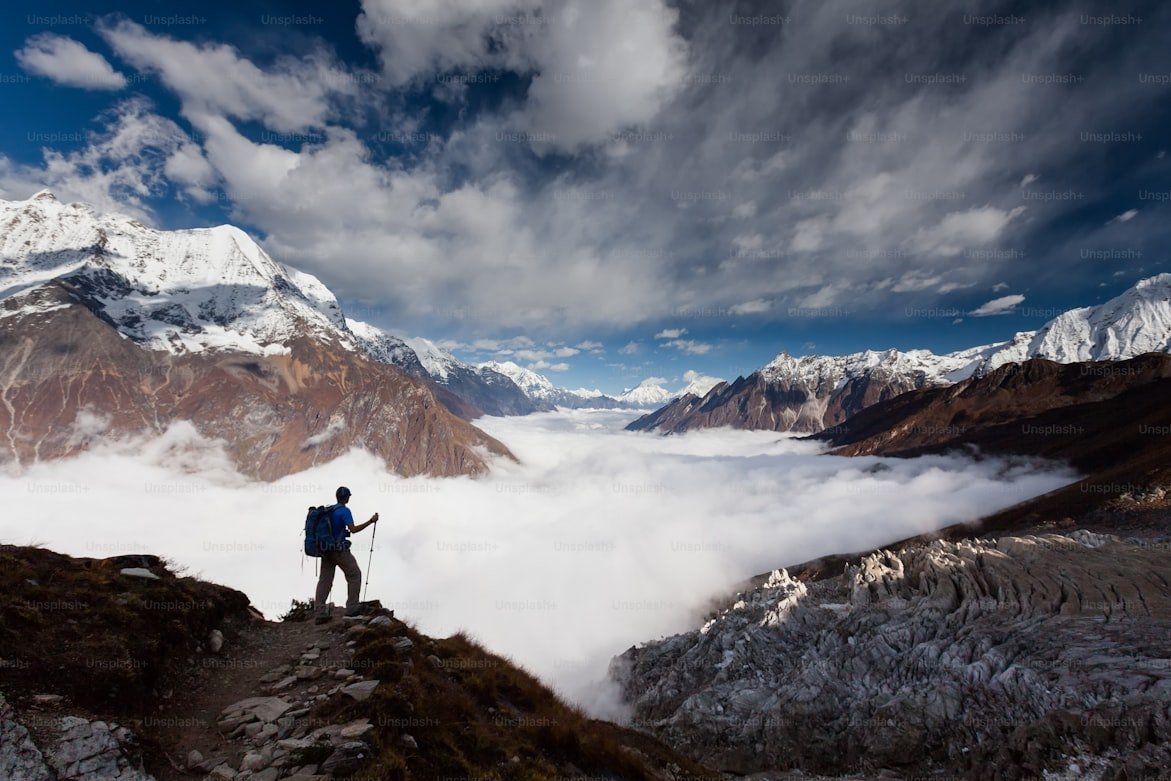
Nepal is internationally famous for its Himalayan trekking routes, offering travelers the opportunity to experience enormous mountains, traditional villages, Buddhist monasteries, and spectacular alpine landscapes. A trek in Nepal can range from relatively comfortable walks through foothills to demanding high-altitude journeys requiring considerable preparation. First-time trekkers should choose a route that matches their fitness, experience, available time, and comfort with altitude rather than selecting an itinerary solely because it is famous.
The Everest region is one of the country’s best-known trekking destinations, but it is far from the only option. The Annapurna region provides several routes with varied landscapes, while Langtang offers a more accessible Himalayan experience from the Kathmandu Valley. Shorter community-based and lower-altitude treks can also provide spectacular mountain views without requiring travelers to spend many days at extreme elevations. Researching the route carefully before departure is essential because difficulty depends on elevation, terrain, weather, distance, and acclimatization requirements.
Preparation should begin well before arriving in Nepal. Regular walking, stair climbing, hiking, and cardiovascular exercise can help build endurance. Trekkers should also research seasonal conditions and understand the symptoms of altitude sickness. Increasing elevation too quickly can be dangerous, so responsible itineraries include appropriate acclimatization days. A guide or reputable trekking organization can provide valuable support, especially for travelers unfamiliar with Himalayan conditions.
Packing efficiently is another important part of preparation. Your bag should contain enough clothing for changing temperatures without becoming unnecessarily heavy. Layers are particularly useful because mornings can be cold while afternoons at lower elevations may feel warm. Essential items can include:
- Comfortable broken-in trekking boots.
- Warm and lightweight layered clothing.
- Waterproof outerwear.
- Sun protection and sunglasses.
- A reusable water bottle or hydration system.
- Basic personal first-aid supplies.
- Headlamp and spare batteries.
- Sleeping bag suitable for the season.
- Portable snacks and energy food.
- Copies of important travel documents.
- Cash for remote areas where card payments may not be available.
A successful Nepal trek is not about walking as quickly as possible or reaching the highest point on the itinerary. It is about maintaining a sustainable pace, staying hydrated, respecting local communities, and paying attention to your body. Weather can change rapidly in mountain environments, and plans may need to change because of conditions. Respect local customs when visiting villages and monasteries, follow established trekking regulations, and use responsible tourism practices. With appropriate preparation and a realistic itinerary, trekking in Nepal can become one of the most rewarding travel experiences of your life.