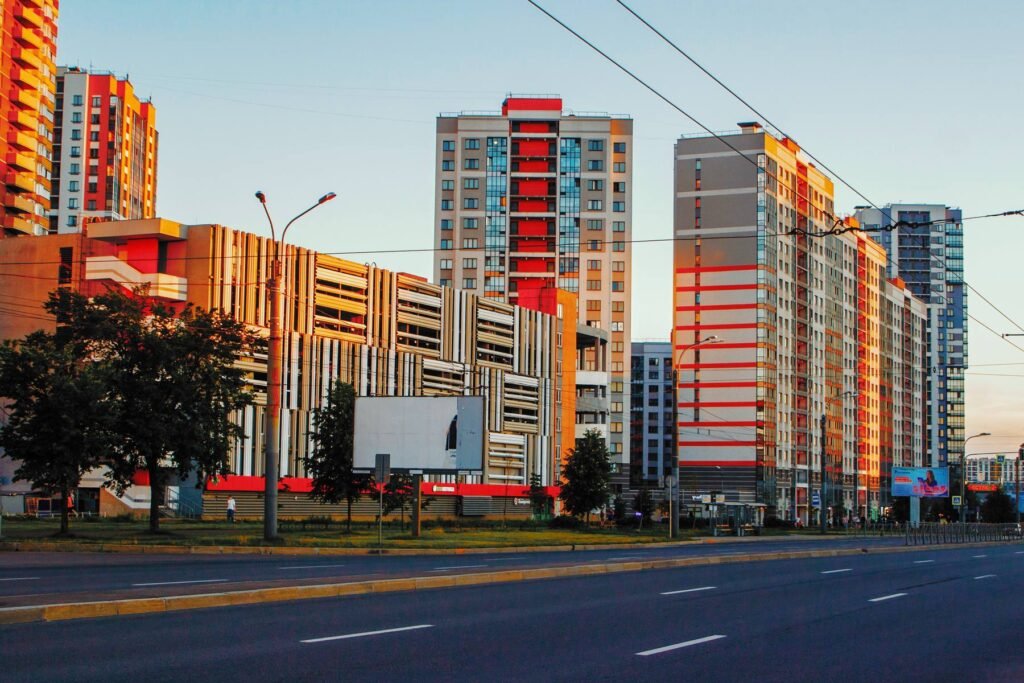

Cities around the world are reassessing how infrastructure can respond to increasingly challenging environmental conditions. Transportation networks, drainage systems, buildings, energy supplies, and public spaces all need to function reliably under changing circumstances. This has encouraged planners to consider resilience alongside traditional priorities such as cost, capacity, and convenience.
Infrastructure decisions can have effects that last for decades, making long-term planning particularly important. A road, drainage network, public building, or energy system designed for historical conditions may face different demands in the future. Planners are therefore exploring solutions that can adapt to changing requirements while avoiding unnecessary costs. Maintenance is also receiving greater attention because existing infrastructure can often become more resilient through targeted improvements.
Urban design can contribute to resilience in several ways. Green spaces may help manage water, trees can provide shade, and better building design can improve energy efficiency. Transportation planning can also influence resilience by providing multiple ways for residents to reach essential services. These approaches demonstrate that infrastructure is not simply about physical structures; it is closely connected to public health, economic activity, mobility, and quality of life.
Important infrastructure priorities include:
- Improving drainage and water management
- Maintaining reliable transportation networks
- Strengthening energy resilience
- Expanding accessible green spaces
- Improving building efficiency
- Protecting essential public facilities
- Planning for emergency disruptions
Successful adaptation will require coordination between planners, engineers, communities, businesses, and public institutions. Local conditions vary considerably, so solutions cannot simply be copied from one city to another. The most effective strategies are likely to combine technical improvements with community input and long-term financial planning. As environmental pressures continue influencing urban decisions, resilient infrastructure may become an increasingly important measure of how effectively cities prepare for future challenges while maintaining safe, accessible, and functional environments for residents.

Leave a Reply