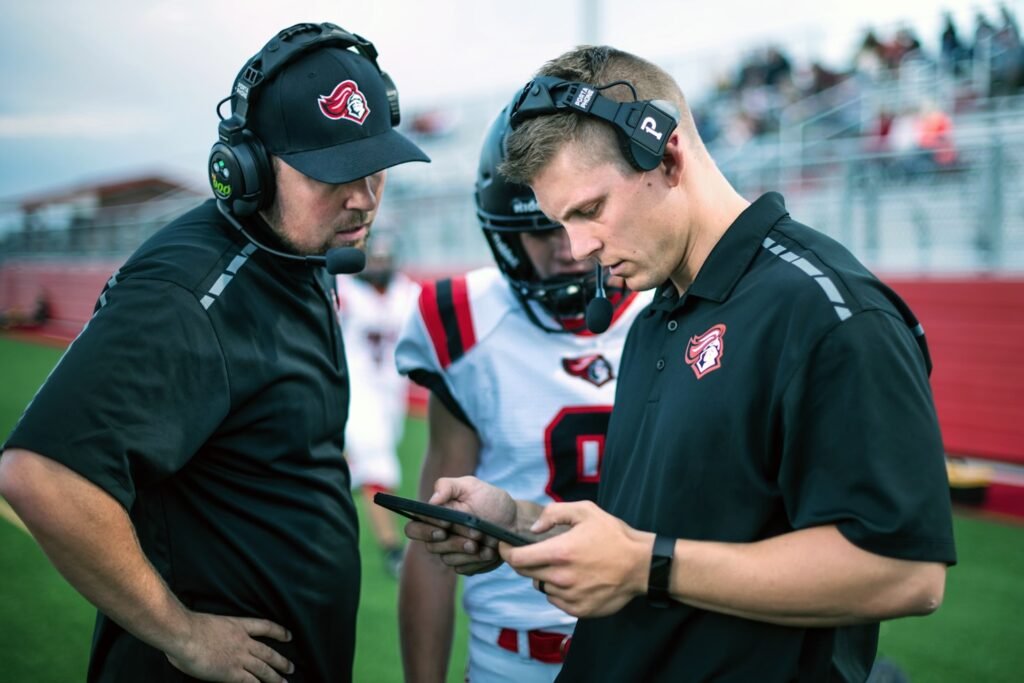



Technology is becoming an increasingly important part of athletic preparation as competitors look for more precise ways to improve performance. Wearable devices, training platforms, performance sensors, video analysis, and automated planning tools can provide information that was previously difficult to collect. The growing use of artificial intelligence in sports is also influencing training programs, performance analysis, and fan engagement.
One advantage of connected training systems is their ability to provide athletes with detailed information about workload. Instead of relying entirely on how a workout feels, athletes and coaches can examine movement patterns, training intensity, recovery indicators, and performance trends. This information can help identify when a training program needs adjustment and may support better preparation for important competitions.
However, more data does not automatically mean better training. Athletes can become overwhelmed when too many measurements are collected without a clear purpose. Coaches must therefore determine which information is genuinely useful. Human judgment remains important because performance depends on factors that technology cannot always measure accurately, including motivation, confidence, tactics, competition pressure, and individual circumstances.
Important areas of sports technology include:
- Personalized training plans
- Movement and performance tracking
- Recovery monitoring
- Video-based technical analysis
- Automated workout recommendations
- Data-supported tactical preparation
The future of athletic training will likely involve a combination of technology and traditional coaching rather than replacing coaches entirely. Data can reveal patterns, but experienced coaches are still needed to interpret those patterns and understand the individual athlete. The most effective systems will probably be those that provide useful information without making training unnecessarily complicated. As connected technology becomes more affordable and accessible, these tools could move beyond elite competition and become increasingly common among recreational athletes and everyday fitness users.

Leave a Reply