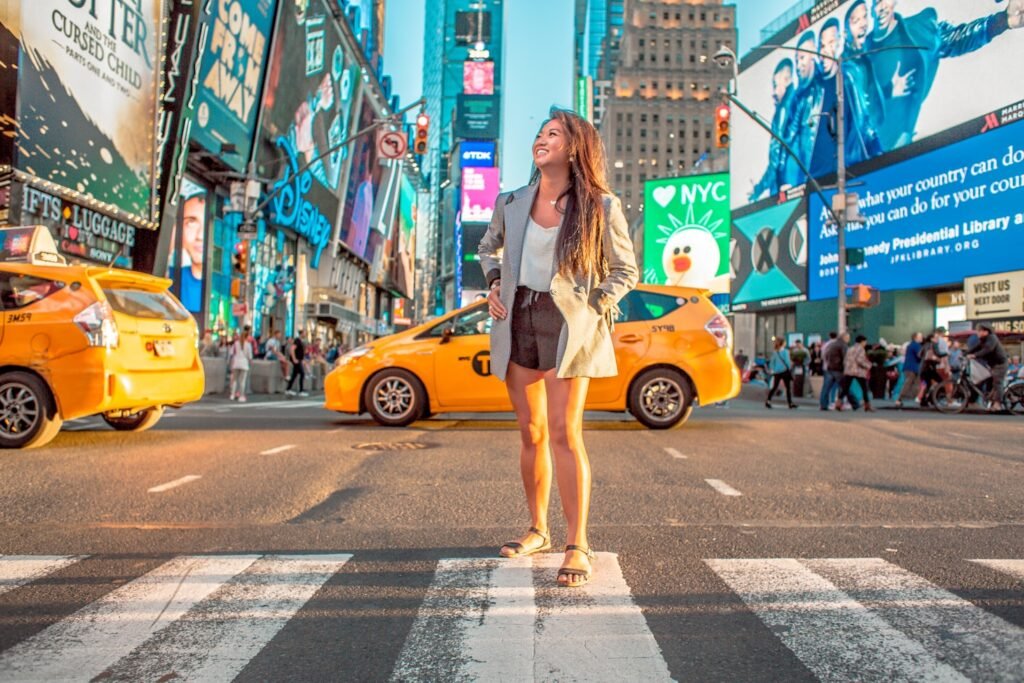



Cities around the world are reconsidering how public spaces can contribute to everyday life. Parks, pedestrian areas, public squares, community gardens, and shared recreational facilities are increasingly being viewed as important parts of urban infrastructure rather than decorative additions. As populations become more concentrated in urban areas, accessible spaces for walking, relaxation, social interaction, and recreation can play an important role in creating more livable communities.
One of the biggest changes is the growing emphasis on flexibility. Public spaces are being designed to accommodate multiple activities throughout the day instead of serving only one purpose. A square might function as a market in the morning, a social gathering space during the afternoon, and an entertainment venue in the evening. This approach can make limited urban land more useful while encouraging people to spend more time outside their homes.
Environmental considerations are also influencing urban design. Trees, shaded areas, permeable surfaces, water-management features, and vegetation can help cities respond to heat and heavy rainfall while improving the appearance of neighborhoods. Such features can also make walking and outdoor recreation more comfortable during warmer periods.
Useful principles for better public spaces include:
- Designing areas for multiple age groups
- Providing comfortable seating and shade
- Improving pedestrian accessibility
- Adding trees and natural elements
- Supporting community activities
- Maintaining safe and well-lit environments
The future of urban public space may therefore depend on combining practical infrastructure with human-centered design. A successful public area does not necessarily need expensive architecture or elaborate technology. It needs to be accessible, comfortable, adaptable, and useful to the people who live nearby. As cities become denser, thoughtful public-space planning could become increasingly important in helping residents maintain opportunities for recreation, social connection, and time outdoors. The most effective designs will likely be those that become a natural part of daily life rather than destinations people visit only occasionally.

Leave a Reply