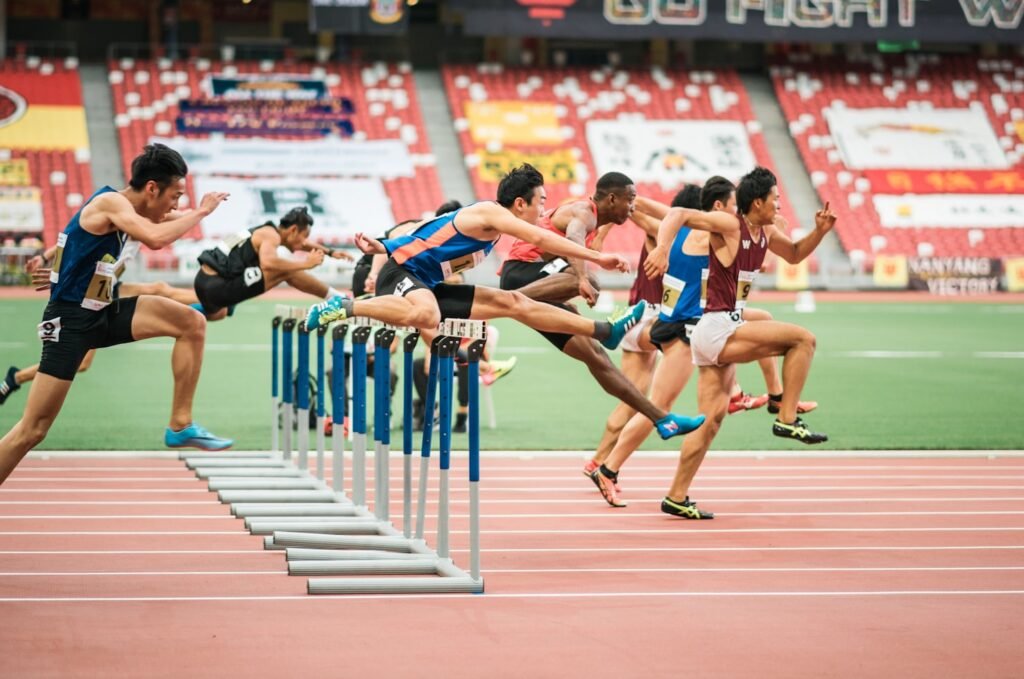



Competitive sport continues to place greater demands on athletes as schedules become increasingly intense and margins between success and disappointment remain extremely small. Modern competitors are not only expected to possess physical ability but also to maintain consistency, recover efficiently, understand tactics, and perform under pressure. This has encouraged athletes and coaching teams to reconsider how training time is used throughout an entire season.
One major shift is the growing emphasis on quality rather than simply increasing training volume. More hours of practice do not automatically produce better results. Carefully planned sessions can target specific weaknesses while allowing enough recovery between demanding activities. Coaches are increasingly combining technical work, physical conditioning, tactical preparation, and recovery rather than treating them as completely separate parts of training.
Technology is also providing new ways to understand performance. Motion tracking, video analysis, fitness monitoring, and other measurement tools can reveal patterns that may be difficult to identify through observation alone. However, data remains most useful when combined with experience. An athlete’s confidence, motivation, fatigue, and response to competitive pressure cannot always be represented by a simple statistic.
Modern performance programs often focus on:
- Sport-specific technical development
- Strength and conditioning
- Recovery and sleep
- Tactical preparation
- Performance analysis
- Mental preparation
- Injury prevention
Another important change is the growing recognition that long-term development matters more than short-term results. Young athletes in particular can benefit from training programs that prioritize gradual improvement rather than excessive competition at an early stage. Building strong fundamentals and maintaining physical health can provide a better foundation for a long career.
The competitive environment is unlikely to become less demanding. As training methods improve, athletes are continually searching for new ways to gain small advantages. The difference may come from better preparation, smarter recovery, tactical flexibility, or the ability to remain composed during difficult moments. Ultimately, technology and sports science can provide valuable support, but competitive performance still depends on discipline, decision-making, adaptability, and the human ability to perform when pressure is at its highest. The next generation of athletes will likely combine traditional sporting skills with increasingly sophisticated preparation methods.

Leave a Reply