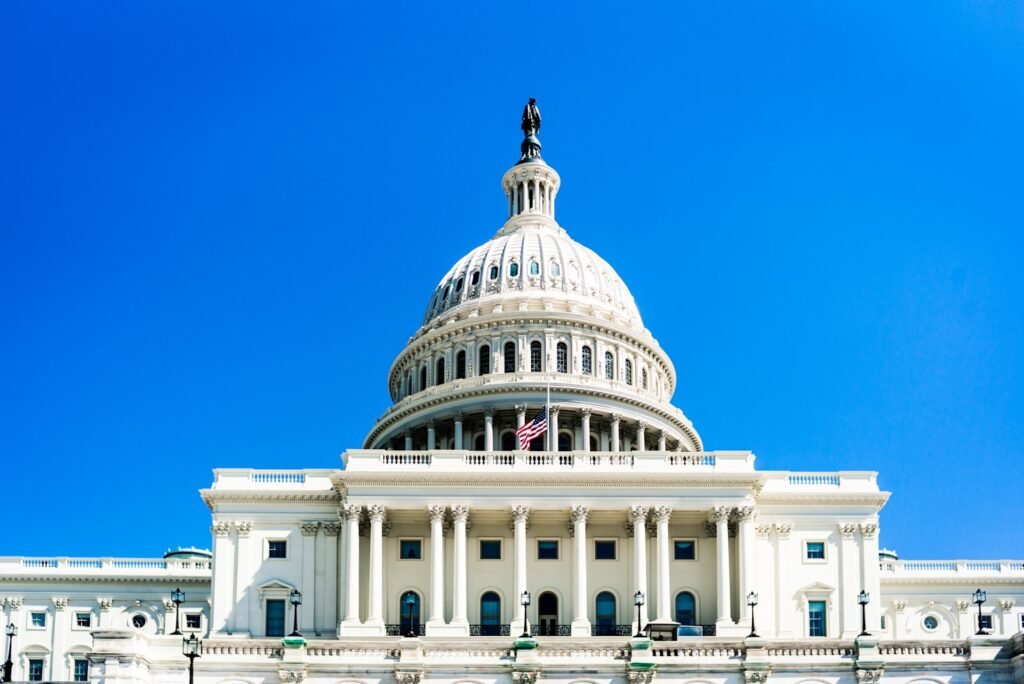



Political stability is becoming an increasingly important measure of government performance as voters and businesses seek greater predictability. Stable governments can often pursue long-term policies more easily because they are less likely to face sudden changes in leadership or parliamentary support. However, stability alone does not guarantee effective governance. Governments must also demonstrate that institutions are functioning and that public concerns are being addressed.
A stable political environment can provide advantages for economic planning. Businesses are more likely to make long-term investment decisions when tax policies, regulations, and government priorities are reasonably predictable. Public institutions can also plan infrastructure, education, healthcare, and other services more effectively when political priorities remain consistent over time.
At the same time, political stability can create risks if governments become too comfortable. Long periods in power may reduce pressure for reform or allow unresolved problems to accumulate. Voters may eventually demand changes if they believe institutions are not responding to their concerns. Recent political analysis in several democracies illustrates the tension between continuity and growing demands for political alternatives.
Healthy political systems require several elements:
- Accountable government institutions
- Transparent decision-making
- Effective public services
- Peaceful political competition
- Independent oversight
- Opportunities for citizens to participate
The challenge for political leaders is therefore to maintain stability without preventing legitimate debate or political change. A government should be able to pursue long-term projects while remaining responsive to criticism. Political competition can also encourage policymakers to address problems before public frustration becomes widespread.
As global uncertainty increases, voters may place greater value on predictable governance, but they are unlikely to accept stability as a substitute for results indefinitely. Governments will need to demonstrate that continuity produces practical improvements in public services, economic opportunities, infrastructure, and institutional trust. The strongest political systems may ultimately be those capable of combining stability with accountability, allowing governments to plan for the future while remaining responsive to citizens in the present.

Leave a Reply