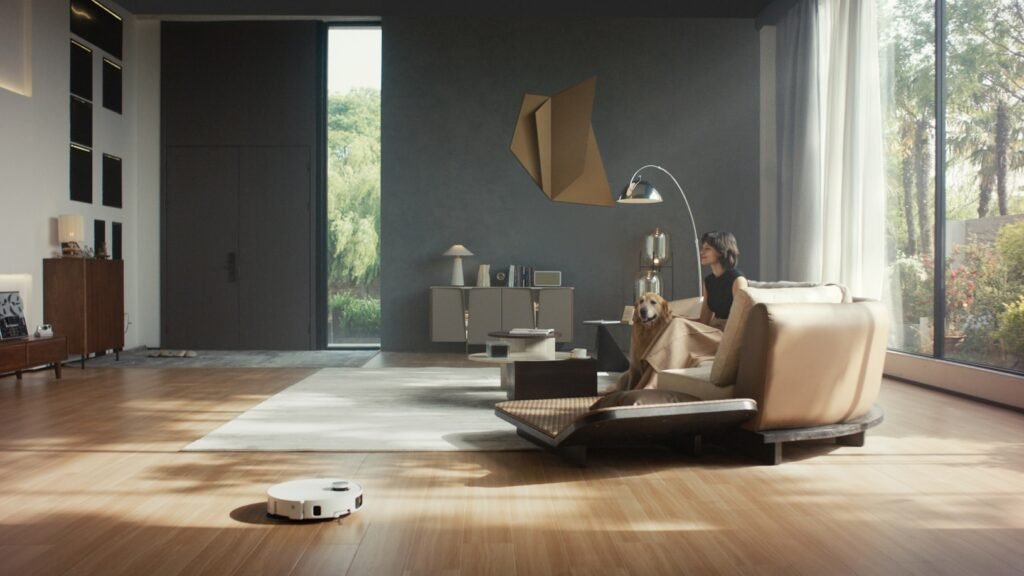



Smart home technology is becoming increasingly sophisticated as connected devices gain better automation and artificial intelligence capabilities. Modern home products can increasingly coordinate lighting, climate control, cleaning, security, entertainment, and household routines. The goal is to reduce repetitive tasks and allow homes to respond automatically to changing conditions.
One major development is the use of artificial intelligence to make automation more adaptive. Instead of requiring users to create complicated rules, newer systems can learn preferences and respond to patterns. For example, a connected home might adjust settings based on typical schedules or recognize when certain devices are being used. The concept is attractive, but automation is only valuable when it works reliably.
Compatibility remains one of the biggest challenges. A home may contain products purchased at different times from different manufacturers, and getting them to communicate smoothly can be difficult. Consumers should therefore pay attention to supported standards, connectivity options, application quality, and future software support before building a larger smart-home setup.
A smart-home system should ideally provide:
- Reliable connectivity
- Simple setup and controls
- Strong privacy settings
- Compatibility with multiple devices
- Useful automation rather than unnecessary features
- Regular security and software updates
Another important consideration is what happens when the internet connection fails. A device that cannot perform basic functions without cloud access may become frustrating during outages. Local controls and fallback options can therefore be valuable. The best smart-home products are not necessarily those with the longest list of automated functions. They are the ones that save time without creating new problems. As artificial intelligence becomes more common in household technology, consumers should remain focused on reliability, privacy, interoperability, and practical value. A genuinely smart home should feel easier to manage, not like another complicated technology project requiring constant maintenance.

Leave a Reply