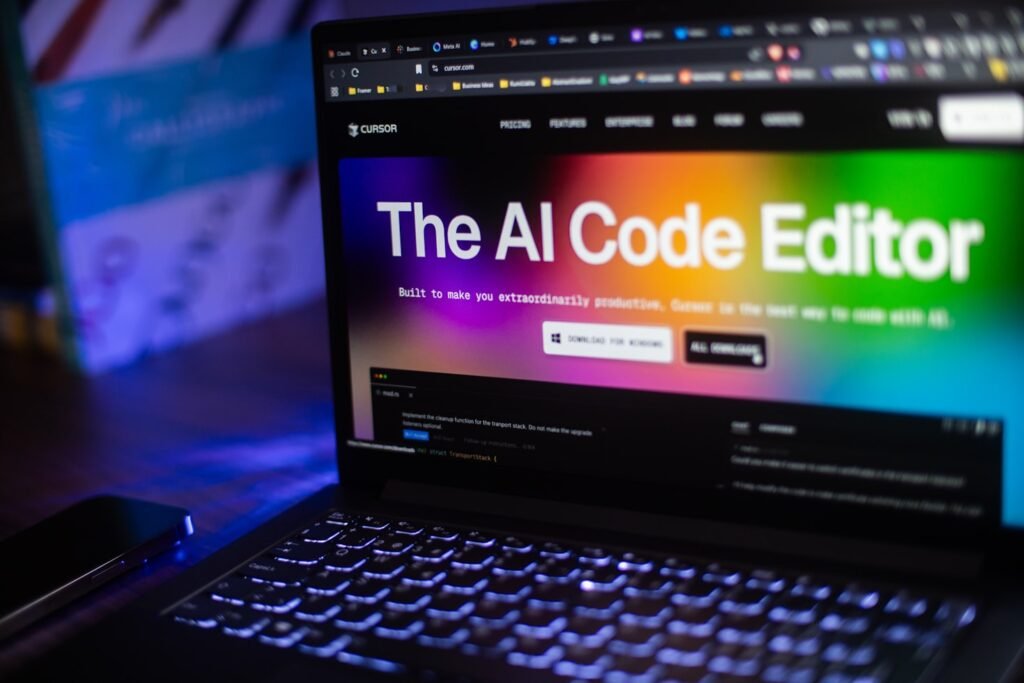


AI-powered laptops are moving beyond the early stage of being marketed primarily around technical specifications. Newer systems are increasingly designed to perform useful artificial intelligence tasks directly on the device, potentially reducing dependence on remote servers for certain functions. This shift is making AI computing more relevant to ordinary users who want faster productivity tools without dramatically changing how they use their computers.
One of the most noticeable advantages is the ability to perform selected AI workloads locally. This can improve responsiveness and may provide additional privacy for tasks that do not need to be sent to an online service. Local processing can also be useful when internet connectivity is limited. However, not every AI feature benefits equally from on-device processing, so buyers should look beyond marketing terminology and examine what the hardware actually supports.
Battery life remains another important factor. Additional processing capabilities can consume considerable power, particularly during demanding workloads. Modern systems are therefore attempting to balance performance with energy efficiency through specialized processors and smarter workload management. For everyday users, this balance may matter more than achieving the highest possible benchmark score.
When reviewing an AI laptop, buyers should examine:
- Real-world processing performance
- Battery life during normal use
- Quality of the display and keyboard
- Local AI capabilities
- Software compatibility
- Weight and portability
- Upgrade and connectivity options
The biggest improvement is that AI features are becoming less of a novelty and more integrated into ordinary computing. Writing assistance, image processing, meeting tools, search functions, and automated organization can save time when implemented well. However, useful AI should complement traditional computer functions rather than interfere with them. The strongest AI laptops are likely to be those that deliver meaningful improvements quietly, with users remaining in control. For buyers considering an upgrade, performance, battery life, reliability, and software support should still be treated as fundamental criteria rather than allowing AI branding to become the deciding factor. Current consumer technology analysis also points to AI as a major force reshaping hardware demand in 2026.

Leave a Reply